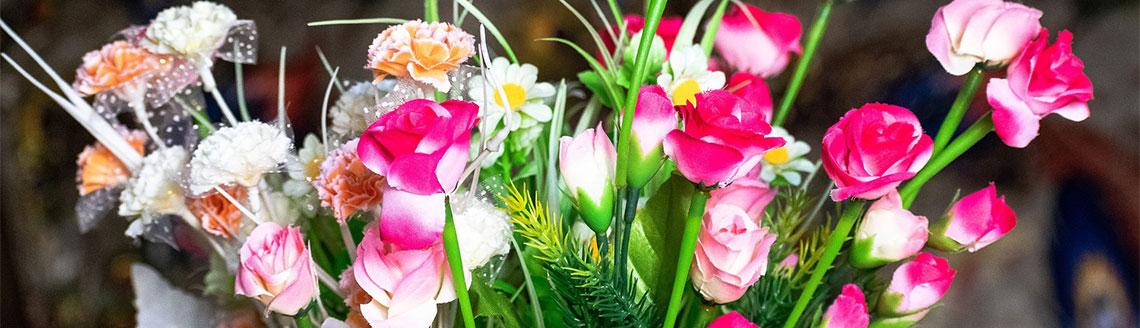
One of the great joys of artificial flowers and plants is how little they ask of you. There is no watering, no wilting and no weekly trips to the florist. That said, a small amount of regular care keeps your displays looking fresh, realistic and worth showing off. The good news is that you do not need a cupboard full of specialist gear. A handful of simple, well-chosen tools will help you keep petals, leaves and stems in beautiful condition for years.
In this guide we look at the best tools for maintaining artificial plants without damaging petals, why each one matters, and how to use them gently. Whether you are caring for silk flowers, an artificial hanging basket, a topiary tree or a full faux floral arrangement, these are the items genuinely worth keeping to hand.
Why gentle maintenance matters
Artificial flowers are designed to be low maintenance, but they are not maintenance-free. Dust is by far the biggest issue you will face, and it settles slowly enough that it is easy to ignore until a display starts to look tired. White and pastel blooms show it first, but every arrangement benefits from a regular going-over.
The key principle is to be gentle. Most damage to faux flowers does not come from dust at all; it comes from over-cleaning, harsh chemicals, heat and rough handling. Petals can flatten, coatings can crack and colours can fade if you treat them too aggressively. The tools below are chosen precisely because they let you clean and reshape without that risk.
The essential cleaning tools
Soft brushes
A soft brush is the most useful tool you can own for delicate blooms. A clean make-up brush, a soft paintbrush or a small fabric duster is ideal for lifting dust from petals, intricate flower centres and detailed foliage without bending or crushing anything.
Soft brushes are particularly good for:
- Densely petalled flowers such as roses, peonies and hydrangeas
- Fine detailing where a cloth simply cannot reach
- Flocked or velvety textures that should never be rubbed hard
Always work from the centre of the flower outwards and follow the natural shape of the petal. Avoid stiff or hard-bristled brushes, which can snag fabric edges and disturb delicate finishes.
Microfibre cloths
For sturdier leaves, stems and broader petals, a soft microfibre cloth is hard to beat. Microfibre lifts and holds dust rather than just pushing it around, so it is far more effective than a standard duster. Work gently from the top of the plant downwards, wiping each leaf one at a time.
For everyday upkeep, a dry cloth is all you need. If a leaf is marked or slightly grubby, you can lightly dampen the cloth with cool or lukewarm water and wipe carefully. The golden rule is dry cleaning before wet cleaning: always lift loose dust first, otherwise a damp cloth simply turns dust into grime that is harder to remove.
Keep wet cleaning to a minimum on petals, especially richly coloured ones, as moisture can occasionally affect colour. When in doubt, test a hidden area first and never soak your flowers.
A cool hairdryer
A hairdryer set to its coolest, lowest setting is a brilliant tool for blowing dust out of tricky, hard-to-reach places. It is perfect for large artificial flower arrangements, topiary balls, hedges and full hanging baskets where individual petals are difficult to get to by hand.
Hold the dryer a sensible distance away and keep it moving. The two things to avoid are heat and force. Never use a warm or hot setting, as heat can soften or warp petals and loosen the glue holding flower heads together. If your blooms are very delicate, decide whether they can cope with the airflow or whether a soft brush would be kinder.
A baby wipe for spot cleaning
For the occasional mark that dusting will not shift, a gentle baby wipe is a handy spot-cleaning tool. The mild moisture lifts dirt from petals and leaves without the need for harsh sprays, and it works particularly well on real-touch and soft-touch florals.
Use a light touch, dab rather than scrub, and let the area air dry afterwards. As with any wet method, test on a hidden petal first and avoid using it repeatedly on the same delicate bloom.
What to avoid
Knowing what not to use is just as important as knowing what to use. To protect colour, shape and texture, steer clear of:
- Harsh chemical cleaners and bleach, which can fade colour and damage coatings
- Hot water and hot air, which can warp petals and weaken glued joints
- Soaking or submerging arrangements, which can cause colour bleeding and trapped moisture
- Hard scrubbing and stiff brushes, which flatten and snag delicate fabric
- Twisting petals or pressing flower centres, which spoils their natural shape
For most quality flowers, light and regular dusting is far better than occasional deep cleaning. Over-cleaning does more harm than dust ever will.
Tools for reshaping and repairs
Secateurs and wire cutters
Many artificial stems contain an internal wire that lets you bend, shape and adjust your blooms. A small pair of secateurs or wire cutters is invaluable when you want to:
- Trim stems to fit a particular vase, basket or container
- Shorten flowers for table arrangements or wedding displays
- Tidy up an arrangement that has become overcrowded
Use proper cutters rather than household scissors, which can blunt quickly or struggle with thicker wire. Cut cleanly and, where possible, leave a little extra length so you can adjust again later.
Your hands for reshaping
It sounds obvious, but your hands are one of the best tools you have. Over time, and especially after storage, petals and leaves can become squashed or sit at odd angles. Gently bend wired stems back into a natural position and tease petals open with your fingertips to restore that just-arranged look.
Take your time with this. A few minutes of careful reshaping can make a display look brand new, and it costs nothing.
Cable ties and floral wire
Cable ties and a roll of floral wire are quietly useful for keeping arrangements secure and well shaped. They are especially handy for:
- Securing stems within hanging baskets so blooms sit where you want them
- Fixing topiary or trailing pieces in place
- Holding heavier arrangements steady in larger containers
- Reattaching a stem that has worked loose over time
Tuck any ties out of sight beneath foliage for a neat, natural finish. A little discreet support goes a long way, particularly with fuller displays.
Protecting outdoor displays from fading
If you use artificial plants outdoors, in a conservatory or on a sunny windowsill, fading is something to consider. UV light from the sun is the main cause of colour loss in faux flowers and foliage over time, and prolonged exposure can dull even the most vibrant blooms.
There are a few practical ways to manage this:
- Rotate your displays. Turning hanging baskets, topiary trees and arrangements regularly helps any fading happen evenly, so it is far less noticeable.
- Choose sheltered spots. A covered porch, a shaded corner or a position away from harsh midday sun will extend the life of outdoor pieces.
- Consider a UV-protective spray. Specialist UV sprays are designed to add a layer of protection against sun damage and can be reapplied periodically.
It is worth being realistic: outdoor conditions, including sun, wind and rain, will always affect appearance and longevity more than indoor use. Only place items outside if they are suitable for it, and bring vulnerable pieces indoors during extreme weather to keep them looking their best.
Storage tools that protect petals
Some of the worst damage to artificial flowers happens not while they are on display, but while they are packed away. Seasonal pieces, wedding flowers kept as keepsakes and decorations rotated through the year all need protecting from being crushed.
The right storage tools make all the difference:
- Sturdy storage boxes. A firm box prevents stems and blooms from being squashed and keeps dust and light out. Specialist wreath storage bags are ideal for artificial wreaths and garlands.
- Tissue paper. Wrapping flowers loosely in tissue cushions delicate petals and helps them hold their shape.
- Covered containers or cloth bags. For oversized items, a large cloth cover keeps dust at bay without trapping moisture.
A few simple habits will keep stored flowers in good condition. Clean and fully dry everything before packing it away to prevent any musty smells or marks. Avoid overstuffing boxes, as cramming flowers together is a sure way to flatten petals. Finally, store in a cool, dry place away from direct heat and sunlight, such as a wardrobe, cupboard or loft space.
A simple maintenance routine
Once you have your tools together, a light routine keeps everything looking effortless. Here is an easy approach to follow:
- Weekly: A quick dust with a soft brush, microfibre cloth or feather duster, especially for white and pale blooms that show marks easily.
- Monthly: A more thorough clean, working through each piece with a cloth or cool hairdryer, plus a little reshaping by hand.
- Seasonally: Rotate or move displays to even out light exposure, check stems and ties, and refresh outdoor UV protection if you use it.
- Before storage: A final clean, full drying and careful wrapping before packing pieces away.
Treat your artificial flowers a little like soft furnishings: add them to your dusting list, move them around the house so you can enjoy them, and give them the occasional bit of attention. They will reward you by looking convincing and beautiful for far longer.
Final thoughts
You really do not need much to keep artificial flowers and plants looking their best. A soft brush, a microfibre cloth, a cool hairdryer, a pair of secateurs, a few cable ties and a good storage box will cover almost every situation, from a single vase of silk flowers to a row of topiary trees or a full hanging basket display.
The secret is to be gentle and consistent. Dust little and often, reshape with your hands, protect against strong sunlight where you can, and store carefully when pieces are not in use. Do that, and your faux florals will hold their colour, shape and texture beautifully, giving you all the charm of fresh flowers with none of the upkeep, year after year.
 A warm welcome from The Artificial Flowers Company. We offer artificial flower arrangements, silk flowers, hanging baskets, topiary balls, topiary plants and much more - we hope you find what you're looking for!