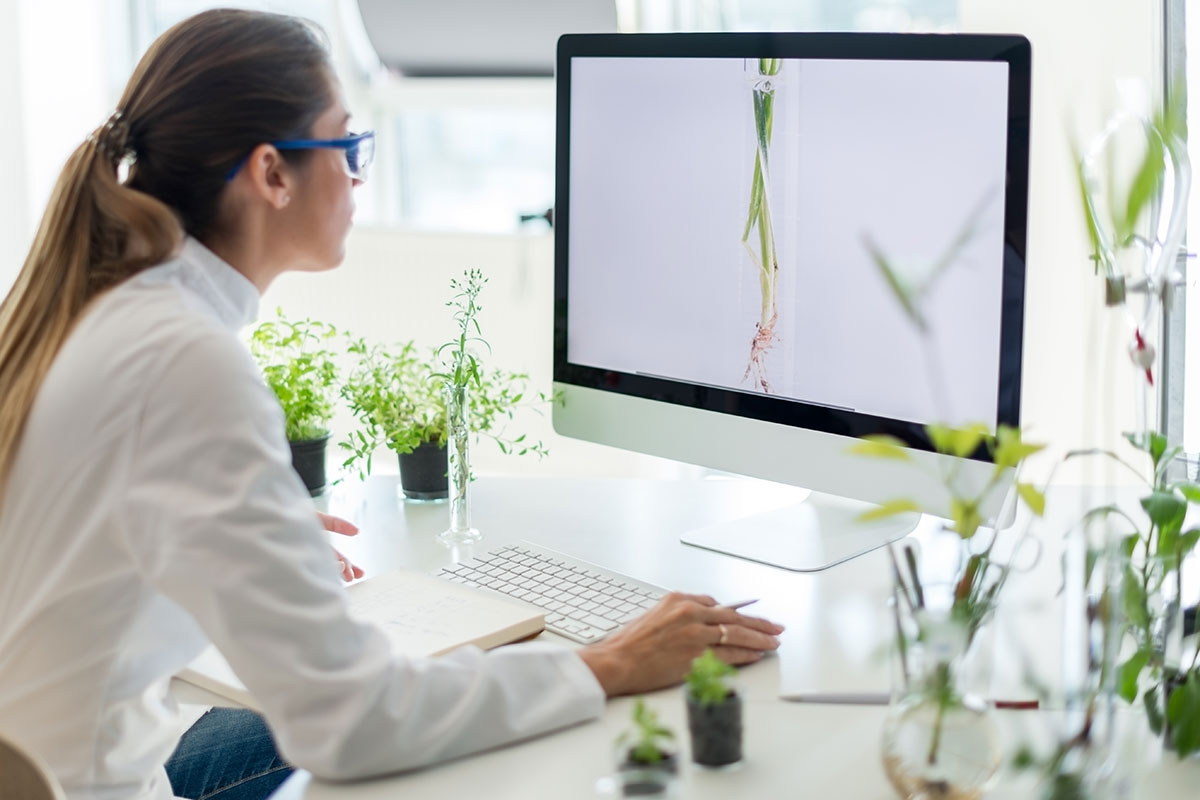
We know that trees, leaves and green views calm us down. We are less sure why. A new generation of experiments that pit living plants against artificial ones, photographs and virtual-reality forests is starting to reveal which parts of nature actually do the work, and how much of it survives being faked.
The study that founded the modern science of restorative nature did not involve any nature. In 1991, Roger Ulrich and colleagues showed volunteers a stressful film about industrial accidents, then measured how quickly their heart rates, muscle tension and skin conductance returned to normal while they watched a second video. Those who watched footage of natural scenes recovered faster, and more completely, than those who watched traffic or a shopping precinct (Ulrich et al., 1991). Nobody in that laboratory smelled a pine tree or felt a breeze. They looked at a screen.
So the question of whether nature has to be real is, in a sense, as old as the field. Four years after Ulrich, Stephen Kaplan proposed that natural settings restore us because they engage a soft, effortless kind of attention that lets the tired, directed kind recover (Kaplan, 1995). Nothing in that theory requires chlorophyll either. If both accounts are right, a good enough imitation of nature should do the job. Thirty years of research later, the answer is that imitations do part of the job, that different imitations do different parts, and that the parts they miss tell us something about what nature is actually doing to us.
A ladder of fakery
It helps to think of the options as a ladder. At the top is a living plant. One rung down is a convincing artificial one: three-dimensional, textured, correctly coloured, but inert. Below that is a photograph or painting: two-dimensional, static, flat. At the bottom, or perhaps on a different ladder altogether, is virtual reality: an immersive scene that surrounds you, may move and make sounds, but is made of pixels.
The living plant wins most contests it enters. Shown real plants, artificial plants and photographs, adults rated the real ones as more natural, more comfortable and more relaxing, and their nervous systems agreed: sympathetic arousal fell furthest in front of the living plant (Jeong & Park, 2021). In schoolchildren, attention-related changes in brain activity appeared for real foliage but not for artificial plants or pictures of them (Oh et al., 2019). Interacting with a living plant suppressed autonomic stress responses in young adults (Lee et al., 2015), and a systematic review of indoor experiments confirmed that simply viewing real nature produces measurable physiological benefit (Jo et al., 2019).
But the gaps between rungs are smaller than you might expect, and they are not always in the expected order. An EEG study that compared live plants with artificial plants and two- and three-dimensional representations found no large overall differences in prefrontal brainwaves between the plant types, and both live and artificial plants read as calming in men (Kim et al., 2024). A 2024 experiment found that three minutes in front of artificial plants reduced negative emotions as much as three minutes in front of real ones (Park et al., 2024). A new EEG study comparing natural greenery with “nature-derived visual alternatives” found that well-made surrogates could approach the living plant’s effect on the brain, provided they did not obviously break the illusion (Luma & Kawazoe, 2026).
Photographs, the humblest rung, hold up better than their flatness suggests. In a real hospital waiting room, posters of plants reduced patients’ stress by about the same ten per cent as the real plants did (Beukeboom et al., 2012). Pictures of plants were rated the most mentally restorative stimulus in a picture experiment and were the best at bringing back positive mood after a stressor, although they did not reliably lower stress itself (Michels et al., 2022). Nature-themed artworks in an indoor setting produced restorative effects measurable by EEG (Chen et al., 2025). Viewing various rural and urban scenes shifted both psychological and physiological responses, with the more natural scenes doing best (Li et al., 2022). A single plant or a nature picture at a computer workstation changed how restorative the desk felt, though not always what people could measurably do at it (Evensen et al., 2015).
Virtual nature is the rung researchers have climbed most eagerly, because it can be controlled precisely. Systematic reviews find that virtual natural environments reliably improve mood and perceived restoration (Spano et al., 2023; Lee et al., 2022), that different kinds of virtual nature boost subjective vitality through a sense of being restored (Theodorou et al., 2023), and that short immersive exposures leave a signature in brain activity consistent with lower cognitive load (Zhang et al., 2022). Adding virtual plants to a virtual office improved memory, creativity and wellbeing (Mostajeran et al., 2023). A virtual natural environment improved attention and mood in older adults in a randomised trial (Chou et al., 2025). Built, ornamental and natural virtual environments produced distinct prefrontal and autonomic responses, with the natural one most restorative (Ramirez-Chavez et al., 2026).
| Outcome | Living plants | Photographs and artworks | Virtual plants and VR nature |
|---|---|---|---|
| Feeling restored | Usually strongest | Often positive | Often positive |
| Physiological relaxation | Most consistent | Smaller or mixed | Mixed; sometimes comparable |
| Perceived naturalness | Highest | Depends on image quality | Depends on presence and fidelity |
| What’s missing | Little | Depth; all other senses | Smell, touch, sunlight, air |
| Best use | Broad restoration | Low-cost visual stand-in | Substitute where nature is unavailable |
How the modalities compare (Jeong & Park, 2021; Michels et al., 2022; Sedghikhanshir et al., 2025; Jo et al., 2019; Nukarinen et al., 2022).
The experiment that drew the line
The sharpest test of where imitation fails comes from a 2025 study that built the same green wall twice: once for real, and once in virtual reality. Sixty-three participants were stressed, then spent seven minutes recovering in front of one or the other. Both groups felt better. But heart rate, heart-rate variability and skin conductance all recovered further in front of the real wall, and participants rated it more restorative and more comfortable (Sedghikhanshir et al., 2025). The researchers’ explanation was that the virtual version lacked depth, realism and engagement. An earlier study by the same group had shown that even in VR, the size of a green wall changes how much it restores (Sedghikhanshir et al., 2024).
That pattern recurs. In a separate comparison, a real and a virtual living wall both reduced stress during a demanding task, but only the real one lifted positive emotion (Serra et al., 2025). Eye-tracking showed that looking at plants of either kind reduced cognitive effort, yet gains in working memory and creativity appeared only with living plants (Sugano et al., 2022). The rule that emerges is this: when the outcome is how a space feels, a good imitation often passes. When the outcome is what the body does, the living thing usually keeps an edge.
Not just green
The simplest theory of why fakes work would be that the brain responds to greenness itself. It does not. When researchers compared pictures of plants against plain green colour and green shadows, the plants restored and the colour did not (Michels et al., 2022). Pothos plants in an office improved how occupants felt partly through their look, not merely their hue or their effect on the air (Zuo et al., 2025). Whatever the brain is responding to, it is the structure of a plant, the branching, the layered leaves, the irregular edges, rather than its colour.
The opposite simple theory, that visual structure is all that matters, fails too. If it were, a high-fidelity photograph or a well-rendered virtual forest would match a living plant physiologically every time, and the green-wall experiment shows that it does not. The explanation that fits the evidence is layered. A plant-like visual pattern triggers a fast, favourable appraisal and a shift to easier attention; that much a photograph can do. How far the response then goes, into the nervous system and into lasting mood, depends on realism, on the agreement between senses, and on what the viewer brings to it.
Four mechanisms, none sufficient alone
Attention. Kaplan’s idea has held up in a particular form. Eye-tracking and EEG studies find that nature, real or virtual, produces fewer fixations, a more dispersed gaze, more alpha and theta activity and lower demand on inhibitory control, all signs of the brain working less hard (Zhang et al., 2022; Sugano et al., 2022; Rhee et al., 2023). Indoor plants improved attention capacity in an office (Raanaas et al., 2011) and an artificial green wall improved children’s working memory over a month (Bernardo et al., 2021). A meta-analysis found the attention benefit depends on how long the exposure lasts (Bell et al., 2025). But the theory has critics. One influential critique argues that the chain of reasoning from “fascination” to measured restoration is broken in several places (Joye & Dewitte, 2018), and a newer account proposes that nature restores by closing the gap between how we feel and how we want to feel, rather than by resting a depleted faculty (Joye et al., 2023).
Appraisal. A second route runs through judgement rather than attention. Plants and plant pictures lower stress partly because they make a room look better, and people in rooms they find attractive feel less stressed. This mediation was shown in a healthcare setting (Dijkstra et al., 2008) and replicated in the waiting-room study, where it explained the posters’ success (Beukeboom et al., 2012). Appraisal is the mechanism most hospitable to imitation: an artificial plant can be as attractive as a real one.
Naturalness. How natural a scene seems tracks how restorative it feels, in virtual urban environments and elsewhere (Hefti et al., 2026; Han, 2025). Perceived biodiversity, the sense that a place is rich in life, mediates the link between what we see and hear and how restored we feel (Ha & Kim, 2025). Yet naturalness can rise without mood or physiology following, which suggests that looking natural is necessary but not sufficient (Huang et al., 2026). An imitation that fails this test, one that reads as plastic, loses before it starts; one that passes it has cleared only the first hurdle.
The other senses. The fourth route is where imitations fall furthest behind. Adding plant scent to a visual biophilic environment improved both physiological restoration and cognitive performance beyond the visual condition alone (Li et al., 2024). Natural sound, movement and air all contribute, and a review of virtual nature concludes that visual-only simulations leave much of the restorative response on the table (Nukarinen et al., 2022; Chen & Yuan, 2025). A neuropsychological study of workplaces found that biophilic design worked through several channels at once (Youn et al., 2025). Most intriguingly, plants that move, swaying gently, outperformed static ones for attention and stress recovery (Xu et al., 2025). Motion, depth, scent and touch are precisely what a photograph lacks and what a virtual forest can only partly supply.
What the viewer brings
Nature’s effect is not the same for everyone, and this matters for imitation. People who feel more connected to nature restore more fully in simulated indoor natural environments (Rhee et al., 2024), and nature-relatedness interacts with exposure to shape attention, brain activity and heart-rate variability (Bell et al., 2025). A provocative theory proposes that much of nature’s restorative power is learned: we have relaxed in gardens and woods so many times that the sight of greenery has become a conditioned cue for calm, in the way a familiar song can be (Egner et al., 2020). If that is even partly right, then a convincing imitation works by triggering the same learned association, and will work best for people with the richest history of real nature to draw on. It also implies the effect could fade if the imitation is unmasked.
How much to trust it
The field’s reviewers are frank about its limits. Studies are mostly brief, often minutes long; samples are often students; measures of “restoration” vary so much that pooling them is hard; and risk of bias is common (Bringslimark et al., 2009; Browning et al., 2020; Gu et al., 2022; Han et al., 2022). A 2026 paper identifies a deeper blind spot: most experiments cannot distinguish genuine restoration, the recovery of something depleted, from “instoration”, the simple uplift of looking at something pleasant (Prugger & Kühn, 2026). Imitations may be especially good at the second and less good at the first.
Living plants are now studied with EEG, near-infrared spectroscopy, heart-rate variability and hands-on interaction. Photographs and virtual greenery are still mostly studied with short exposures and questionnaires. Almost nothing follows any surrogate for more than a single session, and almost no study has set out to isolate which missing cue, depth, motion, scent, touch or expectation, accounts for the real plant’s advantage. Reviews of biophilic design in hospitals keep recommending nature while acknowledging how little is known about which forms of it deliver the benefit (Du et al., 2026).
| Claim | Strength of evidence |
|---|---|
| Imitation nature improves how restored people feel, compared with no nature | Strong |
| Living plants usually outperform imitations on physiology and perceived naturalness | Moderate |
| Perceived naturalness, realism and presence govern how well an imitation works | Moderate |
| Engaging more senses restores more than vision alone | Moderate |
| A single mechanism explains why nature, real or imitated, restores us | Weak |
The verdict
Does nature have to be real to make us feel better? No, not entirely. A photograph on a hospital wall, a convincing artificial plant in a windowless corridor and a virtual forest in a headset all reproduce a meaningful fraction of what a living plant does, and the fraction they reproduce best is the one people notice most: the sense that a space is pleasant, calming and somewhere one can think. They achieve this largely through the eye, by presenting the structure of living things in a way that invites easy attention and a favourable judgement.
What they reproduce least reliably is the deeper response, the one measured in heart rate and skin and the slow settling of the nervous system, and the evidence suggests why. That response seems to need more than an image: depth, movement, scent, the agreement of several senses, and perhaps a lifetime of learned association with the real thing. The closer an imitation comes to supplying those, the closer it comes to real restoration. A static picture gets part of the way. A good three-dimensional artificial plant gets further. A virtual forest with sound and motion gets further still on some measures and falls back on others. The living plant remains the standard, not because it is magic, but because it is the only option that supplies every cue at once.
For the rooms where living nature is impossible, and there are many, the practical lesson is not that imitation is pointless. It is that imitation works to the extent that it is believed. The eye is the gateway, and an imitation that passes it, that reads as natural rather than as a copy, carries much of nature’s benefit through with it. One that fails at the gate carries almost none.
References
- Bell, C. N., St. George, R. S., Honan, C., & Matthews, A. J. (2025). From forest to focus: The interactive effects of nature exposure and nature relatedness on attention, brain activity, heart rate variability, and mood. Journal of Cognitive Neuroscience, 1–23. https://doi.org/10.1162/jocn.a.2416
- Bell, C. N., St. George, R. S., Honan, C., Bell, L. J., Jolly, A., & Matthews, A. J. (2025). The relationship between nature exposures and attention restoration, as moderated by exposure duration: A systematic review and meta-analysis. Journal of Environmental Psychology. https://doi.org/10.1016/j.jenvp.2025.102632
- Bernardo, F., Loupa-Ramos, I., Silva, C., & Manso, M. (2021). The restorative effect of the presence of greenery on the classroom in children’s cognitive performance. Sustainability. https://doi.org/10.3390/su13063488
- Beukeboom, C. J., Langeveld, D., & Tanja-Dijkstra, K. (2012). Stress-reducing effects of real and artificial nature in a hospital waiting room. The Journal of Alternative and Complementary Medicine, 18, 329–333. https://doi.org/10.1089/acm.2011.0488
- Bringslimark, T., Hartig, T., & Patil, G. (2009). The psychological benefits of indoor plants: A critical review of the experimental literature. Journal of Environmental Psychology, 29, 422–433. https://doi.org/10.1016/j.jenvp.2009.05.001
- Browning, M., Saeidi-Rizi, F., McAnirlin, O., Yoon, H., & Pei, Y. (2020). The role of methodological choices in the effects of experimental exposure to simulated natural landscapes on human health and cognitive performance: A systematic review. Environment and Behavior, 53, 687–731. https://doi.org/10.1177/0013916520906481
- Chen, J., Zhu, H., Cheng, Y., Yin, H., Yi, M., Shen, D., Zhang, Z., & Wu, J.-Y. (2025). Restorative effects and perception of nature-themed artworks in indoor environments: An empirical study based on VR+EEG. Frontiers in Psychology, 16. https://doi.org/10.3389/fpsyg.2025.1571176
- Chen, L., & Yuan, Y. (2025). Perceived restorativeness of urban green spaces in southern China during summer. Scientific Reports, 15. https://doi.org/10.1038/s41598-025-22382-8
- Chou, C.-C., Lin, J.-N., Yu, C.-P., Chen, C.-W., Yeh, A.-Y., & Lin, Y.-K. (2025). Effects of a virtual reality–based natural environment intervention on attention and mood in community-dwelling older adults: Randomized controlled trial. JMIR Aging, 9. https://doi.org/10.2196/87861
- Dijkstra, K., Pieterse, M., & Pruyn, A. (2008). Stress-reducing effects of indoor plants in the built healthcare environment: The mediating role of perceived attractiveness. Preventive Medicine, 47(3), 279–283. https://doi.org/10.1016/j.ypmed.2008.01.013
- Du, Y., Xie, M., & Zou, Y. (2026). Biophilic design in hospital environments: A rapid review of nature-integrated strategies and patient outcomes. Frontiers in Public Health, 14. https://doi.org/10.3389/fpubh.2026.1786483
- Egner, L. E., Sütterlin, S., & Calogiuri, G. (2020). Proposing a framework for the restorative effects of nature through conditioning: Conditioned Restoration Theory. International Journal of Environmental Research and Public Health, 17. https://doi.org/10.3390/ijerph17186792
- Evensen, K. H., Raanaas, R. K., Hagerhall, C., Johansson, M., & Patil, G. (2015). Restorative elements at the computer workstation. Environment and Behavior, 47, 288–303. https://doi.org/10.1177/0013916513499584
- Gu, J., Liu, H., & Lu, H. (2022). Can even a small amount of greenery be helpful in reducing stress? A systematic review. International Journal of Environmental Research and Public Health, 19. https://doi.org/10.3390/ijerph19169778
- Ha, J., & Kim, H.-J. (2025). Linking visual–auditory cues to restoration: The mediating role of perceived biodiversity. International Journal of Environmental Research and Public Health, 22. https://doi.org/10.3390/ijerph22081267
- Han, Y. (2025). Exploring the impacts of natural elements on relieving psychological stress in restorative virtual environments. Edelweiss Applied Science and Technology. https://doi.org/10.55214/25768484.v9i5.7704
- Han, K.-T., Ruan, L.-W., & Liao, L. (2022). Effects of indoor plants on human functions: A systematic review with meta-analyses. International Journal of Environmental Research and Public Health, 19. https://doi.org/10.3390/ijerph19127454
- Hefti, M., Galharret, J.-M., Navarro, O., & Fleury-Bahi, G. (2026). Perceived naturalness and restorative responses in virtual urban environments: Evidence from two immersive VR experiments. Acta Psychologica, 269, 107401. https://doi.org/10.1016/j.actpsy.2026.107401
- Huang, T.-C., Li, C., & Huang, M.-W. (2026). The psychological restorative effects of green exercise: A moderated mediation model of nature relatedness and exercise behavior. Frontiers in Sports and Active Living, 8. https://doi.org/10.3389/fspor.2026.1887724
- Jeong, J., & Park, S.-A. (2021). Physiological and psychological effects of visual stimulation with green plant types. International Journal of Environmental Research and Public Health, 18. https://doi.org/10.3390/ijerph182412932
- Jo, H.-J., Song, C., & Miyazaki, Y. (2019). Physiological benefits of viewing nature: A systematic review of indoor experiments. International Journal of Environmental Research and Public Health, 16. https://doi.org/10.3390/ijerph16234739
- Joye, Y., & Dewitte, S. (2018). Nature’s broken path to restoration: A critical look at Attention Restoration Theory. Journal of Environmental Psychology. https://doi.org/10.1016/j.jenvp.2018.08.006
- Joye, Y., Köster, M., Lange, F., Fischer, M., & Moors, A. (2023). A goal-discrepancy account of restorative nature experiences. Journal of Environmental Psychology. https://doi.org/10.1016/j.jenvp.2023.102192
- Kaplan, S. (1995). The restorative benefits of nature: Toward an integrative framework. Journal of Environmental Psychology, 15, 169–182. https://doi.org/10.1016/0272-4944(95)90001-2
- Kim, S.-H., Lee, C. H., & Park, S.-A. (2024). Brain wave changes in the prefrontal cortex when exposed to varying plant types as visual stimuli. HortScience. https://doi.org/10.21273/hortsci17962-24
- Lee, M.-S., Lee, J., Park, B.-J., & Miyazaki, Y. (2015). Interaction with indoor plants may reduce psychological and physiological stress by suppressing autonomic nervous system activity in young adults: A randomized crossover study. Journal of Physiological Anthropology, 34. https://doi.org/10.1186/s40101-015-0060-8
- Lee, M.-J., Kim, E., Choe, J., Choi, S., Ha, S., & Kim, G. (2022). Psychological effects of green experiences in a virtual environment: A systematic review. Forests. https://doi.org/10.3390/f13101625
- Li, C., Yuan, Y., Sun, C.-G., & Sun, M. (2022). The perceived restorative quality of viewing various types of urban and rural scenes: Based on psychological and physiological responses. Sustainability. https://doi.org/10.3390/su14073799
- Li, Z., Zhang, W., Cui, J., Wang, L.-S., Liu, H., & Liu, H. (2024). Biophilic environment with visual-olfactory stimuli contributes to psychophysiological restoration and cognitive enhancement. Building and Environment. https://doi.org/10.1016/j.buildenv.2024.111202
- Luma, D., & Kawazoe, Y. (2026). Nature in indoor environments: An EEG study comparing natural greenery with nature-derived visual alternatives. Buildings. https://doi.org/10.3390/buildings16071284
- Michels, N., Debra, G., Mattheeuws, L., & Hooyberg, A. (2022). Indoor nature integration for stress recovery and healthy eating: A picture experiment with plants versus green color. Environmental Research, 113643. https://doi.org/10.1016/j.envres.2022.113643
- Mostajeran, F., Steinicke, F., Reinhart, S., Stuerzlinger, W., Riecke, B., & Kühn, S. (2023). Adding virtual plants leads to higher cognitive performance and psychological well-being in virtual reality. Scientific Reports, 13. https://doi.org/10.1038/s41598-023-34718-3
- Nukarinen, T., Rantala, J., Korpela, K., Browning, M., Istance, H., Surakka, V., & Raisamo, R. (2022). Measures and modalities in restorative virtual natural environments: An integrative narrative review. Computers in Human Behavior, 126, 107008. https://doi.org/10.1016/j.chb.2021.107008
- Oh, Y.-A., Kim, S.-O., & Park, S.-A. (2019). Real foliage plants as visual stimuli to improve concentration and attention in elementary students. International Journal of Environmental Research and Public Health, 16. https://doi.org/10.3390/ijerph16050796
- Park, J., Kang, M.-J., Song, Y., Lee, Y., Kim, J., Jeong, S., & Lee, J. (2024). Comparison of the differences in psychological effects between artificial and natural plants. Journal of Environmental Science International. https://doi.org/10.5322/jesi.2024.33.1.103
- Prugger, J., & Kühn, S. (2026). The blind spot in research on nature’s benefits: Restorative versus instorative effects and potential biases. Journal of Environmental Psychology. https://doi.org/10.1016/j.jenvp.2026.103114
- Raanaas, R. K., Evensen, K. H., Rich, D., Sjøstrøm, G., & Patil, G. (2011). Benefits of indoor plants on attention capacity in an office setting. Journal of Environmental Psychology, 31, 99–105. https://doi.org/10.1016/j.jenvp.2010.11.005
- Ramirez-Chavez, K. L., Curtin, A., Maldonado Osorio, F., Jushchyshyn, N., Suri, R., & Ayaz, H. (2026). Distinct prefrontal, autonomic, and subjective responses to built, ornamental, and natural virtual environments. Building and Environment. https://doi.org/10.1016/j.buildenv.2026.115004
- Rhee, J. H., Schermer, B., Han, G., Park, S.-Y., & Lee, K. (2023). Effects of nature on restorative and cognitive benefits in indoor environment. Scientific Reports, 13. https://doi.org/10.1038/s41598-023-40408-x
- Rhee, J. H., Schermer, B., & Lee, K. (2024). Effects of the nature connectedness on restoration in simulated indoor natural environments. Building and Environment. https://doi.org/10.1016/j.buildenv.2024.111601
- Sedghikhanshir, A., Zhu, Y., Beck, M. R., & Jafari, A. (2024). Exploring the impact of green wall and its size on restoration effect and stress recovery using immersive virtual environments. Building and Environment. https://doi.org/10.1016/j.buildenv.2024.111844
- Sedghikhanshir, A., Chen, Y., Zhu, Y., Beck, M. R., & Jafari, A. (2025). Comparing the restoration effect and stress recovery in real and virtual environments with a green wall. Sustainability. https://doi.org/10.3390/su17062421
- Serra, H., Zavattaro, C., Eid, M., Farina, P., Abbatescianna, D., Cirillo, E., Gammeri, R., Celi, L., Scariot, V., & Ricci, R. (2025). Biophilic interventions in real and virtual environments reduce stress during cognitively demanding tasks. Scientific Reports, 15. https://doi.org/10.1038/s41598-025-23224-3
- Spano, G., Theodorou, A., Reese, G., Carrus, G., Sanesi, G., & Panno, A. (2023). Virtual nature and psychological outcomes: A systematic review. Journal of Environmental Psychology. https://doi.org/10.1016/j.jenvp.2023.102044
- Sugano, S., Tazaki, M., Arai, H., Matsuo, K., & Tanabe, S.-I. (2022). Characteristics of eye movements while viewing indoor plants and improvements in occupants’ cognitive functions. Japan Architectural Review. https://doi.org/10.1002/2475-8876.12284
- Theodorou, A., Romano, L., Bratman, G., Carbone, G., Rodelli, R., Casagrande, G., & Panno, A. (2023). Different types of virtual natural environments enhance subjective vitality through restorativeness. Journal of Environmental Psychology. https://doi.org/10.1016/j.jenvp.2023.101981
- Ulrich, R., Simons, R., Losito, B. D., Fiorito, E., Miles, M. A., & Zelson, M. F. (1991). Stress recovery during exposure to natural and urban environments. Journal of Environmental Psychology, 11, 201–230. https://doi.org/10.1016/s0272-4944(05)80184-7
- Xu, Q., Ding, Y.-F., & Li, J. (2025). The potential of dynamic plants for attention and stress recovery in indoor environment. Ergonomics, 68, 2123–2137. https://doi.org/10.1080/00140139.2025.2454919
- Youn, C., Kang, M.-J., & Lee, J. (2025). Biophilic design and restorative effects: A neuropsychological study of healthy indoor workspaces in urban contexts. International Journal of Environmental Research and Public Health, 22. https://doi.org/10.3390/ijerph22101571
- Zhang, G., Wu, G., & Yang, J. (2022). The restorative effects of short-term exposure to nature in immersive virtual environments (IVEs) as evidenced by participants’ brain activities. Journal of Environmental Management, 326, 116830. https://doi.org/10.1016/j.jenvman.2022.116830
- Zuo, L., Wu, D., Deng, M., Wei, R., & Yuan, Y. (2025). Quantitative study on the air-purification and aesthetic effects of Epipremnum aureum on indoor occupants’ psycho-physiological responses. Indoor and Built Environment, 34, 661–677. https://doi.org/10.1177/1420326×251314542
 A warm welcome from The Artificial Flowers Company. We offer artificial flower arrangements, silk flowers, hanging baskets, topiary balls, topiary plants and much more - we hope you find what you're looking for!